Commercial Water Treatment Company
Water that quietly destroys boilers, equipment, and product quality, brought under control with systems sized to your facility after a real assessment.
-

Est. 1947
-

4.8★ Rating
-

Free Water Analysis
-

35¢ Refills
Toledo Water Conditioning keeps water from quietly destroying the equipment businesses run on, across Northwest Ohio and Southeast Michigan. Commercial softening that stops scale from ruining boilers, water heaters, and dishwashers in restaurants and hotels. Filtration for the iron, sulfur, sediment, and arsenic that municipal and well supplies carry. Reverse osmosis and deionization for processes that need genuinely pure water, with ozonation and UV sterilization where disinfection matters. Every system is sized to the facility and the water it uses, after a real assessment rather than a standard quote, for businesses and institutions across the region.
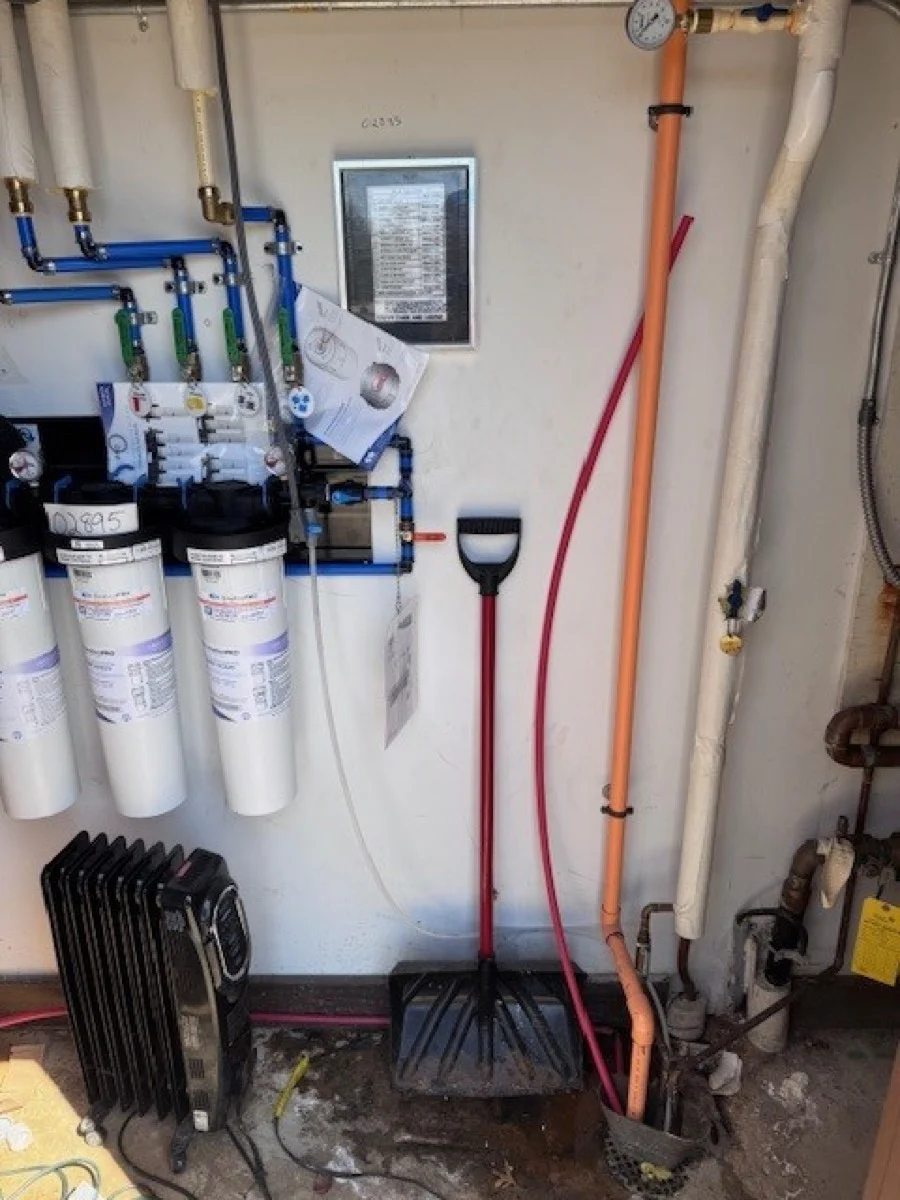
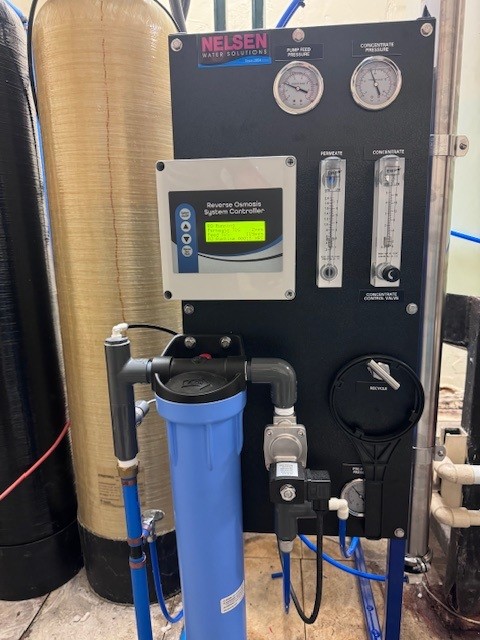
What Commercial Water Treatment Protects
In a business, untreated water is not a nuisance, it is an operating cost. Hard or contaminated water scales equipment, fails inspections, and ruins product, and the bill for ignoring it climbs the longer it runs. Commercial water treatment protects the things a facility depends on:
- Boilers and water heaters are protected from the scale that drives up energy cost and shortens their service life.
- Dishwashers, ice machines, and process equipment are protected from the hard and contaminated water that destroys them.
- Glassware spotting, off-taste, and product-quality failures are eliminated in operations that depend on clean water.
- Iron, sulfur, sediment, and arsenic are removed to the level the process or the code requires.
- Processes that need genuinely pure water get it, through reverse osmosis or deionization sized to the demand.
The cost of doing nothing is far higher at commercial scale than in a home. A scaled boiler burns more fuel, a failed ice machine closes a kitchen, and a product-quality failure can stop a line. Correctly specified treatment is a direct reduction in operating cost, not an expense.
The specifics vary by operation. A restaurant fights spotting on glassware and scale in dish machines and ice makers. A hotel runs hot water and laundry at a volume that punishes hard water every day. A boiler scales and burns more fuel with every grain of hardness left in the feed. A manufacturer or lab may need water purer than anything the municipal supply provides. Each of those is a different specification, which is why the system follows the assessment rather than a catalog.
Beyond the equipment, treated water protects compliance and reputation. Operations subject to health inspections, water-quality codes, or customer-facing standards cannot afford a failure that traces back to the water. A correctly specified system, serviced on a schedule, keeps a facility inside the requirements it answers to and takes water off the list of things that can go wrong on a given day. At commercial volume, that reliability is worth as much as the equipment protection itself.
The Assessment and Installation Process
How the assessment works
Commercial treatment starts with understanding both the water and the facility, because the right system depends on how the water is used.
Water Analysis and Facility Assessment
Toledo Water Conditioning tests the water and assesses the facility, its equipment, and its water demand, so the system is specified to real conditions rather than a generic profile.
System Specification
Based on the assessment, the appropriate system or combination of systems is specified, sized to the facility's actual load.
Installation
The company installs the system and brings it online with the facility's operation in mind.
Ongoing Service and Supply
Toledo Water Conditioning provides continuing service and salt or consumable delivery, so the system keeps performing without becoming the facility's problem to manage.
The company has documented commercial work in the region, including an arsenic and iron removal installation for a mobile home park near Toledo, the kind of multi-contaminant job that a correctly run assessment is built to handle. On that job the water carried both arsenic and iron, and treating one without the other would have left the property with a problem it could not see.
The Assessment and Installation Process
What Commercial Water Treatment Protects
Commercial water treatment is a range of systems, each matched to a specific demand a facility places on its water. The difference from residential equipment is capacity, durability, and a system engineered for continuous commercial use rather than a household’s daily pattern. The right setup is often a combination of these systems working together rather than a single unit.
Commercial softening
Scaled softening for restaurants, hotels, and boiler feed, where hard water otherwise scales equipment and raises energy cost. Sized to the facility’s flow and duty cycle, not a residential pattern.
Commercial filtration
Removal of iron, sulfur, sediment, and arsenic at the volume a business uses, matched to what the water analysis finds.
Reverse osmosis
Large and small systems for operations that need purified water as an input, from a point-of-use unit to a system feeding an entire process.
Deionization
For ultra-pure applications such as labs and certain manufacturing steps, where even reverse osmosis is not pure enough.
Ozonation and UV sterilization
Disinfection for facilities where controlling bacteria and other organisms is the priority.
Bulk salt delivery
Scheduled salt supply that keeps commercial softeners regenerating without interruption.
Commercial water treatment is a range of systems, each matched to a specific demand a facility places on its water. The difference from residential equipment is capacity, durability, and a system engineered for continuous commercial use rather than a household’s daily pattern. The right setup is often a combination of these systems working together rather than a single unit.
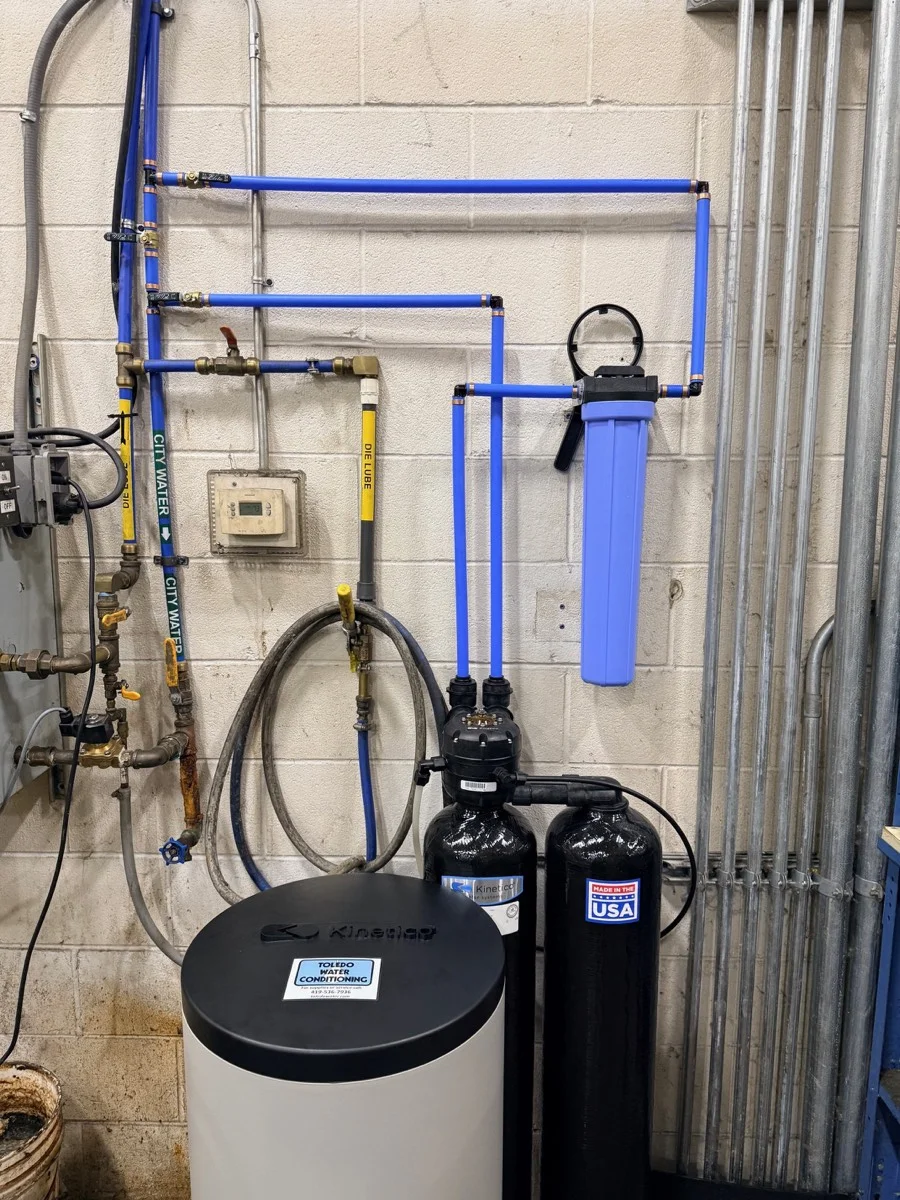
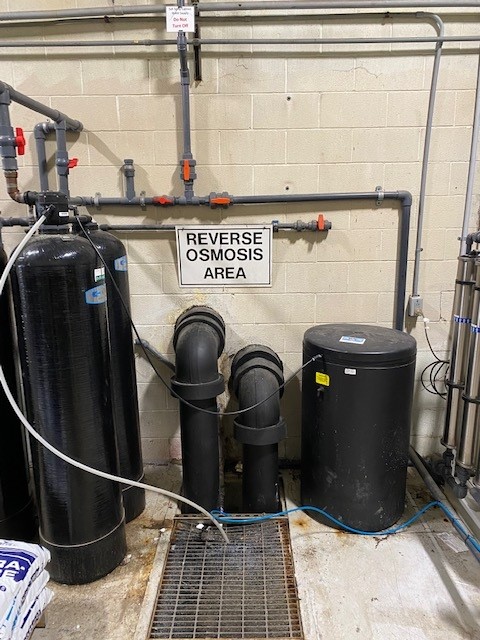
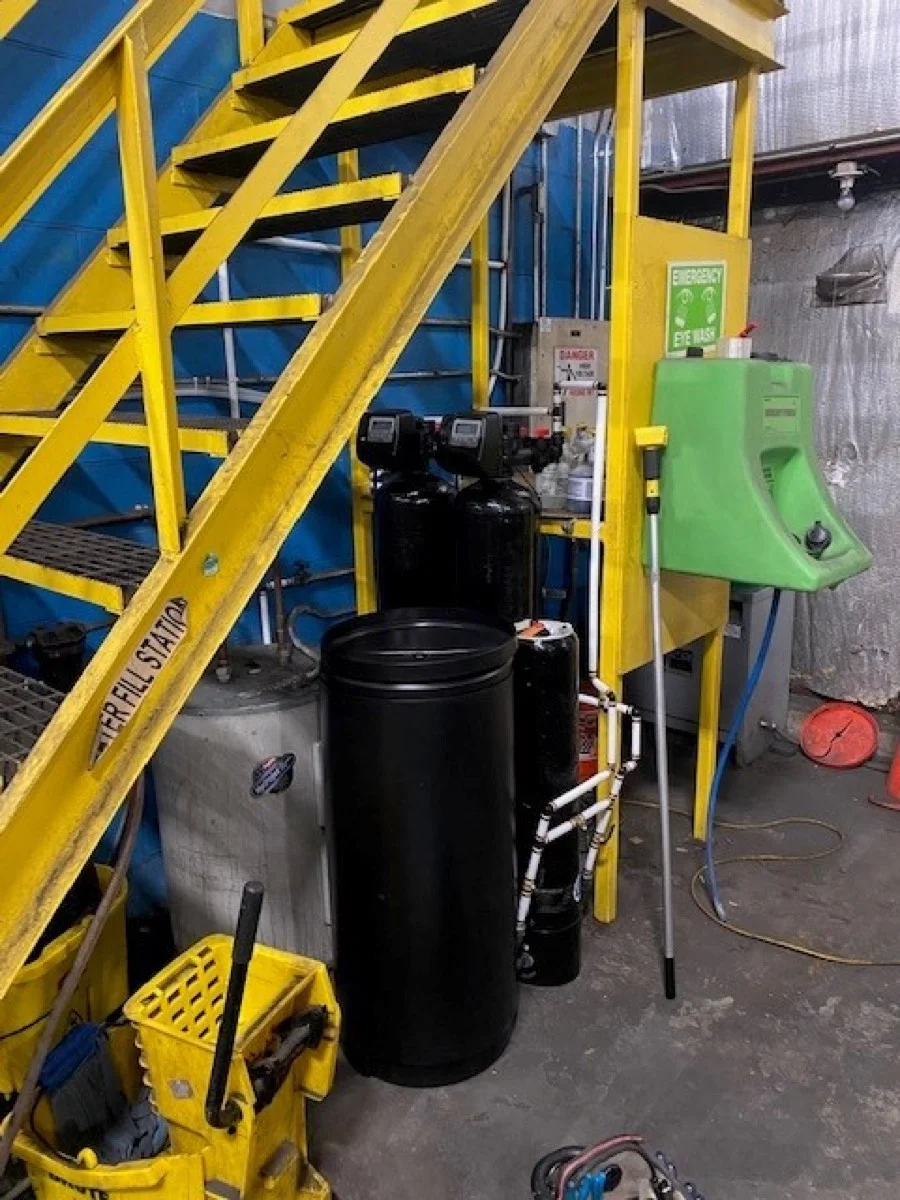
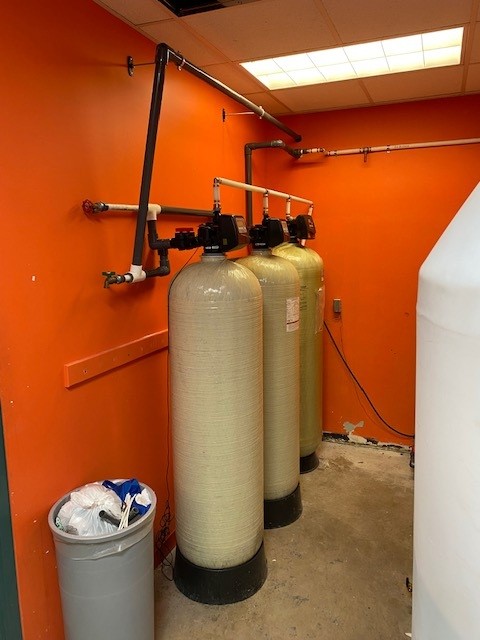
Sized to the Facility
We Size Commercial Systems to the Facility, Not to the Biggest Invoice
Toledo Water Conditioning applies the same diagnose-first, no-oversell approach at commercial scale that it uses on every home, sizing systems to the facility’s real demand rather than to the largest sale available.
This matters because commercial water treatment is a category where accounts are frequently sold far more capacity than they need. A vendor walks a facility, quotes the biggest system, and the business pays for headroom it will never use, plus the service contract attached to it. The assessment that should drive the specification gets skipped in favor of the quote.
The customer experience here runs the other way. The water and the facility are assessed first, the system is sized to the actual load, and the recommendation is explained in terms of operating cost rather than fear. Commercial accounts across all of the priority cities and the wider territory are fully in scope, and the documented arsenic and iron work in the region shows the approach applied to a real multi-contaminant problem. The assessment is not a formality. It is the step where a vendor either earns the specification or pads it, and Toledo Water Conditioning treats it as the place to get the sizing right. For a business, that discipline is the difference between treatment that lowers operating cost and a contract that simply adds to it.
FAQ
Frequently Asked Questions
Restaurants, hotels, and other facilities with boilers, along with manufacturers, institutions, and properties like mobile home parks. Any business whose water scales equipment, fails a standard, or needs to be purer than the supply provides is a fit.
Hardness that scales equipment, plus iron, sulfur, sediment, and arsenic, and for processes that need it, nearly everything through reverse osmosis or deionization. The water analysis determines what is present and to what level.
Yes. Commercial water softeners for boiler feed and equipment protection are a core part of the service, because scale is one of the most expensive water problems a facility faces.
Yes. Arsenic removal is part of the commercial filtration range, and the company has documented arsenic and iron removal work in the region.
Deionization produces ultra-pure water for processes where even reverse osmosis is not pure enough. It is specified when the application demands it, not by default.
Yes. Commercial accounts get continuing service and scheduled salt or consumable supply, so the system keeps running without the facility having to manage it.
Yes. Commercial accounts across all of the priority cities and the surrounding communities are fully in scope across Northwest Ohio and Southeast Michigan.
Properly specified treatment reduces the fuel a scaled boiler wastes, the repairs that hard and contaminated water cause, and the product losses from poor water quality. Sizing the system correctly is what makes the savings outweigh the cost, which is why the recommendation is framed in operating-cost terms rather than as a sale.
Service Area
Cities We Serve
Toledo Water Conditioning provides commercial water treatment for businesses and institutions across Northwest Ohio and Southeast Michigan, including:
-
Toledo
-
Perrysburg
-
Sylvania
-
Oregon
-
Maumee
-
Waterville
Along with the surrounding communities. For commercial water treatment near you across this service area, Toledo Water Conditioning is the local company to call.
Get Started
At commercial scale, the cost of untreated water shows up on every utility bill and every equipment repair. Toledo Water Conditioning starts with an assessment of the water and the facility, then sizes a system to what the operation actually needs, with the cost framed honestly. When you are ready, the assessment is the first step.