Sulfur Water Treatment
The rotten-egg smell of hydrogen sulfide removed at the source, along with the corrosion and staining it leaves behind.
-

Est. 1947
-

4.8★ Rating
-

Free Water Analysis
-

35¢ Refills
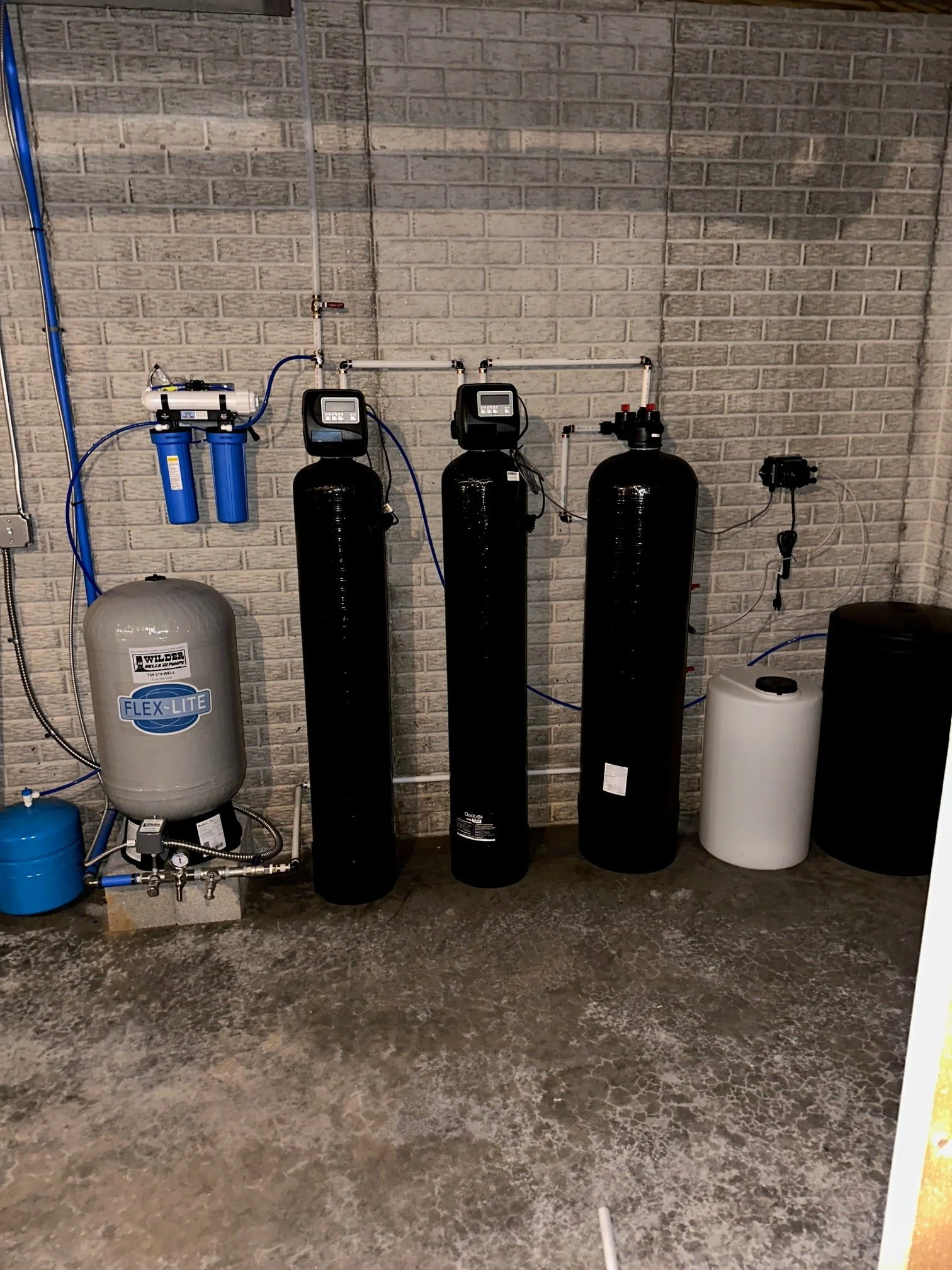
Toledo Water Conditioning takes the rotten-egg smell out of well water across Northwest Ohio and Southeast Michigan by treating the hydrogen sulfide that causes it at the source. Light sulfur odor handled with the right oxidizing filtration. Heavier hydrogen sulfide oxidized with peroxide, ozone, or chlorine and then filtered, matched to the concentration the test finds. Iron-and-sulfur combinations, which the region’s wells produce constantly, treated together in a single whole-house solution rather than one problem at a time. Every system is matched to the severity of the problem and the water it comes from, for homes and businesses that depend on well water.
What Treating Sulfur Water Changes
Sulfur water announces itself. The rotten-egg smell is the first thing a household notices, but the damage hydrogen sulfide does runs deeper than the odor. Treating it at the source changes both:
- The rotten-egg smell is gone from every tap, not masked at one faucet.
- The corrosion that hydrogen sulfide causes in pipes, fixtures, and fittings is stopped before it shortens their life.
- The dark staining sulfur leaves on sinks, tubs, and laundry is eliminated.
- Water heaters, appliances, and even electronics are protected from the damage dissolved hydrogen sulfide can cause over time.
- Water becomes usable again for drinking, cooking, and bathing without anyone holding their breath.
- Laundry and dishes come out without the gray cast that sulfur, and the iron that often comes with it, can leave behind.
Hydrogen sulfide is one of the most common and most recognizable well-water problems in this region, and it is the kind of problem homeowners want solved immediately once they call. The smell is the symptom people react to, but the corrosion is the reason it should not be left alone.
Sulfur shows up most often on well water, which a large share of homes in this region rely on, and it rarely improves on its own. If anything it gets more noticeable as concentrations shift with the seasons and the water table moves. That is why most homeowners want it handled the moment they call, and why matching the treatment to the actual concentration matters more than reaching for the nearest off-the-shelf filter.
Treated water also protects the investments most homeowners never connect to their water until something fails. A water heater loses efficiency and life when hydrogen sulfide corrodes the tank and the heating element. Fixtures pit and discolor. Well pumps, pressure tanks, and supply lines all wear faster in sulfur-heavy water. Removing the hydrogen sulfide at the source extends the life of every part of the plumbing system it would otherwise quietly degrade, which is where the real cost of leaving it untreated adds up.
The Treatment Process
How the treatment works
Free Water Analysis
Toledo Water Conditioning confirms the type and concentration of hydrogen sulfide, and checks for the iron that so often comes with it on well water.
Method Matched to Severity
Based on the result, the company specifies the appropriate treatment, which can be oxidizing filtration for lighter cases, or oxidation with peroxide, ozone, or chlorine followed by filtration for the heaviest concentrations.
In-House Installation
The company's own technicians install the system, frequently as part of a combined iron-and-sulfur or whole-house solution for well homes.
Ongoing Service
Toledo Water Conditioning services the system so it keeps removing the sulfur for the long run, rather than fading after a season.
The finished result is well water that is clean, clear, and odor-free at every tap in the house, with the iron that so often accompanies sulfur handled in the same system so the water neither smells nor stains.
Products and Materials
The treatment is chosen by concentration
Sulfur is not a single problem with a single product. The treatment is chosen by concentration, and the difference between a properly matched system and a one-size cartridge is whether the odor actually stays gone. The systems used within this service are matched to severity.
Oxidizing filtration
For lighter sulfur cases, media that oxidizes the hydrogen sulfide and filters it out.
Precipitation and filtration
For moderate to heavy concentrations, converting the dissolved gas to a filterable form and removing it.
Oxidation with peroxide, ozone, or chlorine
For the heaviest hydrogen sulfide, chemically oxidizing the gas before filtration. Toledo Water Conditioning treats sulfur this way rather than with air-injection aeration, which can pull its own contamination into the media.
Combined iron-and-sulfur treatment
A whole-house approach for well homes that have both, treating the two together rather than stacking separate units.
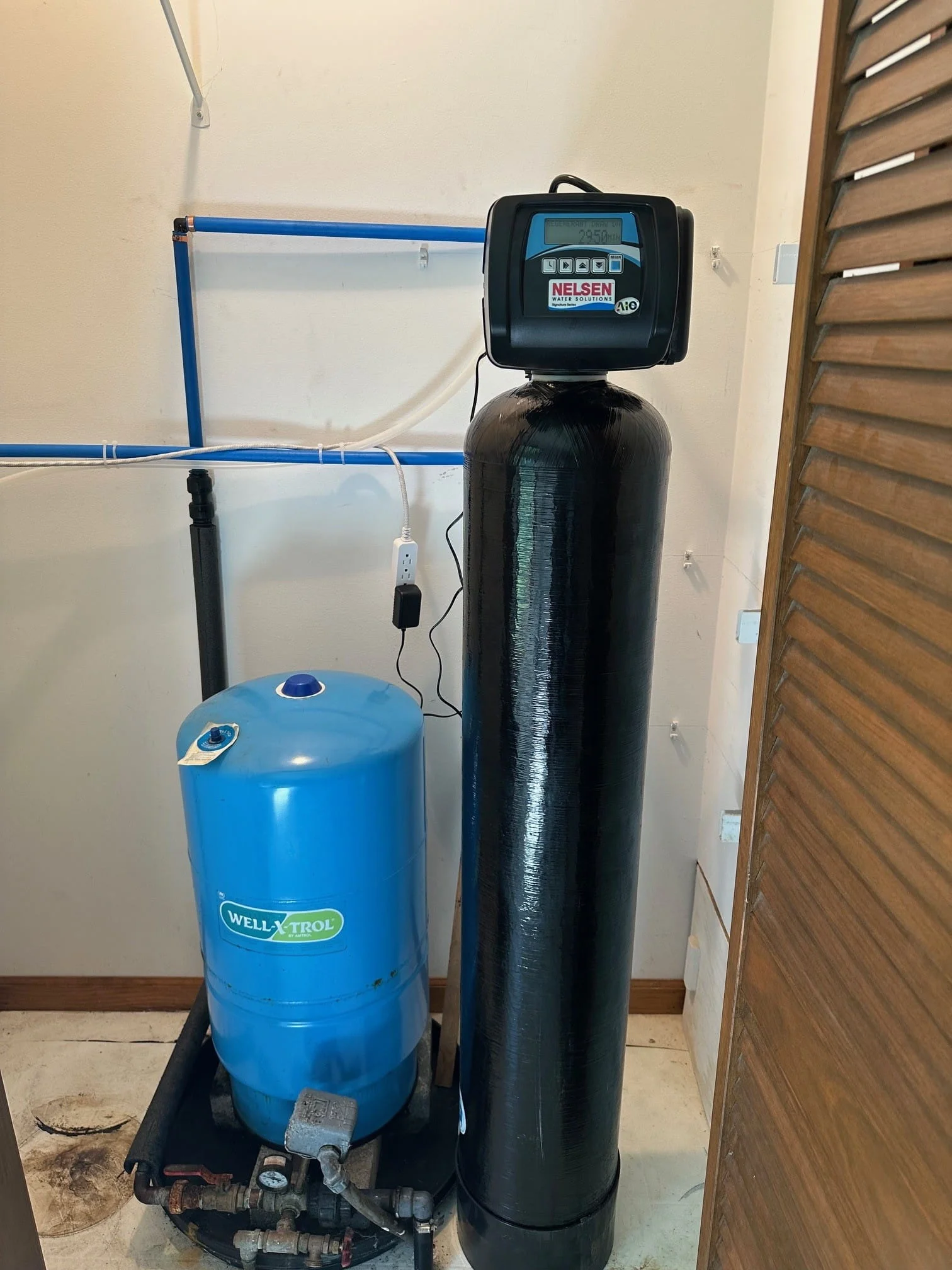
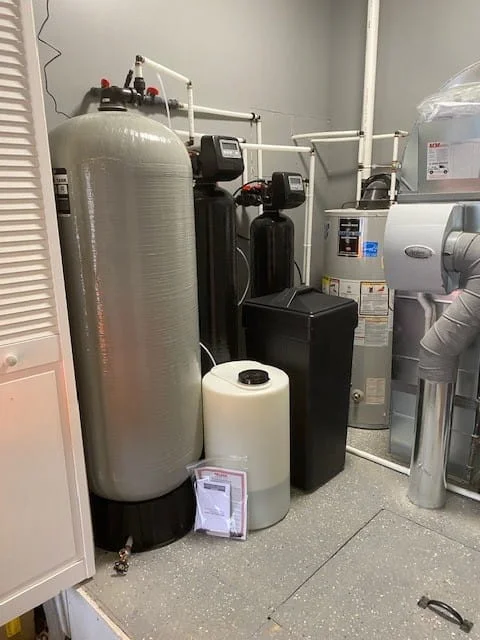
Each system uses contractor-grade media matched to the water, rather than a consumer cartridge that is overwhelmed by heavier sulfur. A cartridge from a hardware store can mask a light odor for a while, but it has no answer for the iron-and-sulfur load a regional well actually carries, which is why the system is specified to the test rather than picked off a shelf. Detailed method-by-method comparisons live in the learning articles rather than on this page.
Decades of Regional Wells
We Treat the Iron and Sulfur Combinations This Region's Wells Actually Produce
Toledo Water Conditioning has treated well water across Northwest Ohio for decades, which means it has seen the local iron-and-sulfur combinations again and again and knows how to specify a solution that holds.
This matters because sulfur is rarely a clean, single problem here. On the region’s wells it usually arrives alongside iron, and sometimes manganese, and a unit sized for sulfur alone will be overwhelmed or will simply move the problem around. The common failure is a one-size system that knocks the smell down for a few weeks and then lets it creep back, leaving the homeowner exactly where they started.
The customer experience here is built on getting it right the first time. The water is tested, the iron and the sulfur are both accounted for, and the system is specified to the actual combination rather than to a standard package. That is what decades of treating the same regional water buys: a solution matched to what the well really produces, so the smell does not come back.
There is also the matter of what the local water actually does over time. Hydrogen sulfide concentrations here are not uniform, and a well that tests light in one season can run heavier in another. A company that has worked the region’s water for decades sizes for that range rather than for a single reading, which is part of why a properly specified system keeps the odor gone instead of letting it creep back when conditions shift.
FAQ
Frequently Asked Questions
Hydrogen sulfide gas dissolved in the water. It is common on well water in this region and produces the distinctive rotten-egg odor, along with corrosion and dark staining over time.
The smell is mostly a nuisance, but the hydrogen sulfide that causes it corrodes plumbing, fixtures, and appliances, and heavy concentrations are worth addressing for the damage they do as much as the odor. The water test shows how concentrated it is.
When the odor is mostly on the hot side, the issue can involve the water heater rather than the supply. Toledo Water Conditioning checks for this during the analysis so the right fix is applied rather than treating the whole house for a water-heater issue.
Not on its own. A softener is built to remove hardness. Sulfur calls for dedicated treatment, and the water test determines whether sulfur treatment alone is enough or whether it should be combined with iron removal or softening.
Not on its own. A softener is built to remove hardness. Sulfur calls for dedicated treatment, and the water test determines whether sulfur treatment alone is enough or whether it should be combined with iron removal or softening.
Very often in this region. That is why Toledo Water Conditioning tests for both and frequently treats them together in a single whole-house solution rather than installing separate units.
By the concentration in the water. Lighter cases are handled with oxidizing filtration, while heavier hydrogen sulfide is oxidized with peroxide, ozone, or chlorine and then filtered. The free water analysis sets the method.
Yes. Well-water treatment, including iron and sulfur, is a core part of what Toledo Water Conditioning has done across the region for decades.
Yes. Sulfur treatment systems are serviced on a schedule so they keep removing the hydrogen sulfide for the long run, rather than fading after a season. Toledo Water Conditioning handles that service.
Service Area
Cities We Serve
Toledo Water Conditioning supplies and delivers water softener salt for homes and businesses across Northwest Ohio and Southeast Michigan, including:
-
Toledo
-
Perrysburg
-
Sylvania
-
Oregon
-
Maumee
-
Waterville
Along with the surrounding communities. For sulfur water treatment near you anywhere in this service area, Toledo Water Conditioning is the local company to call.
Get Started
The smell is the part you notice, but the corrosion is the reason to act. Toledo Water Conditioning starts with a free analysis that shows exactly how much hydrogen sulfide is in your water, then matches the treatment to it so the odor stays gone. When you are ready, the test is the first step.