Toledo Water Conditioning

Home / Pond Chlorination

Pond Chlorination Service

Pond and surface water used as a home’s water supply, treated inside the home with chlorination and filtration so it is safe for the household and for livestock.

  • Est. 1947

  • 4.8★ Rating

  • Free Water Analysis

  • 35¢ Refills

For properties across Northwest Ohio and Southeast Michigan that draw their household water from a pond or other surface source, Toledo Water Conditioning treats that water inside the home so it is safe to use. Chlorination to control the bacteria, viruses, and other organisms surface water carries. Filtration to take out the sediment and particulate that comes with it. The treatment is built for water used in the home and for livestock, applied where the water enters the home rather than to the pond itself. And when a source is too far gone to make reliably safe, the honest answer is to advise against using it, which is the answer you will get.

What Treating Your Pond Water Changes

When a home draws its water from a pond or surface source, that water has to be made safe before anyone uses it. Treating it as it enters the home is what keeps it usable:

  • The household water is safe to use, because the bacteria and organisms common in surface water are brought under control before the tap.

  • The sediment and particulate that surface water always carries are filtered out rather than left to reach the family or the animals.

  • Livestock that drink the treated water are protected from the contamination raw surface water can carry.

  • The treatment is matched to what the water test finds, not guessed at.

  • If a source cannot be made reliably safe in the home, you are told that honestly rather than sold a system that will not keep up.

Surface water is unpredictable. It shifts with the season, the runoff, and the temperature, which is why the treatment is set by a water test and why some sources are not suitable as a home supply at all. Toledo Water Conditioning is straight about which is which.

How Pond Treatment Works

Pond chlorination starts with the water and whether it can be made safe for the home, because not every surface source can.

01

Test the Source Water

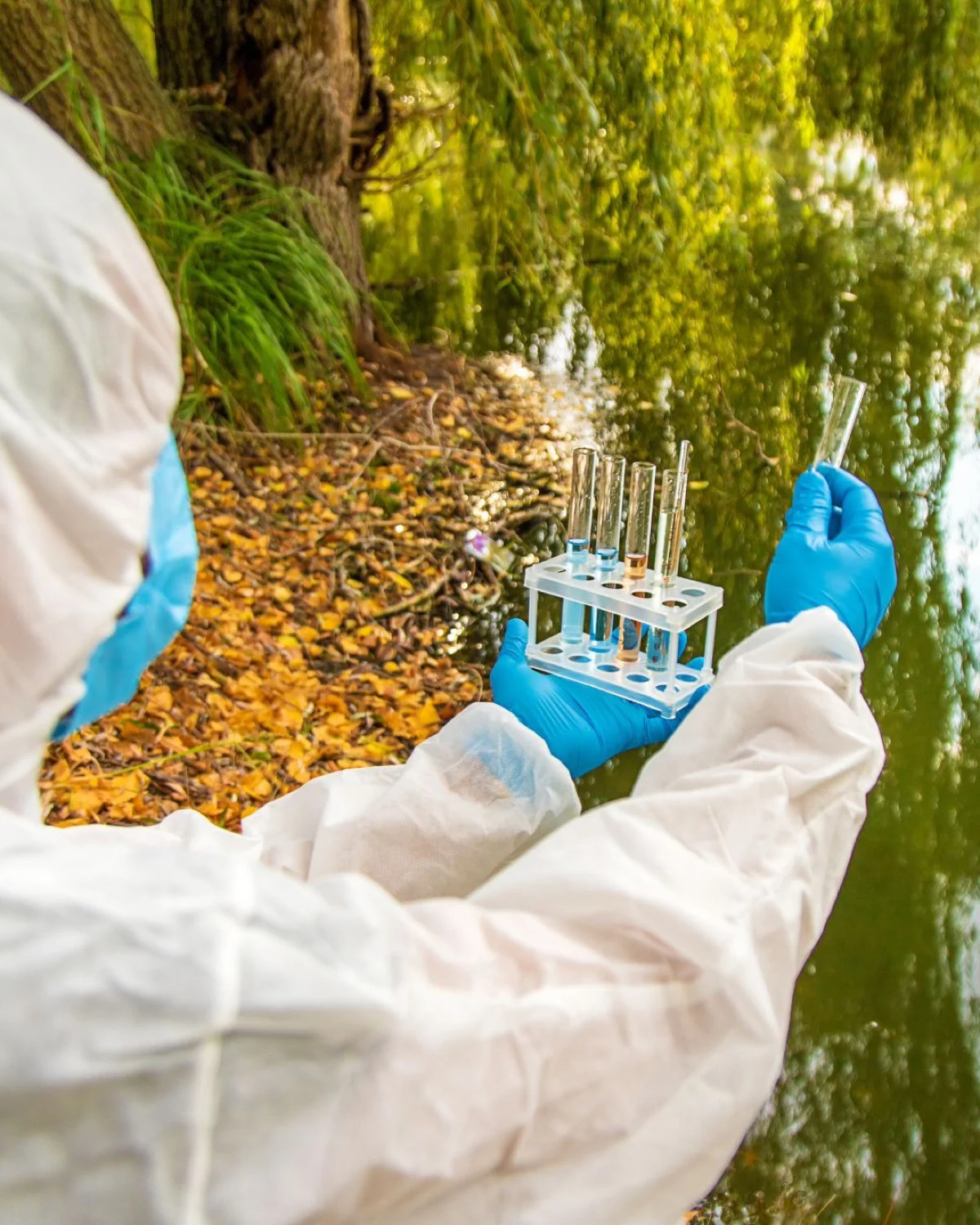
Toledo Water Conditioning tests the pond or surface water the home draws from to find what is actually in it.

02

Decide Whether It Can Be Made Safe

If filtration and chlorination can bring the water to a safe, usable standard for the home, the company specifies the system. If they cannot, the honest recommendation is to not rely on that pond as a supply.

03

Treat the Water in the Home

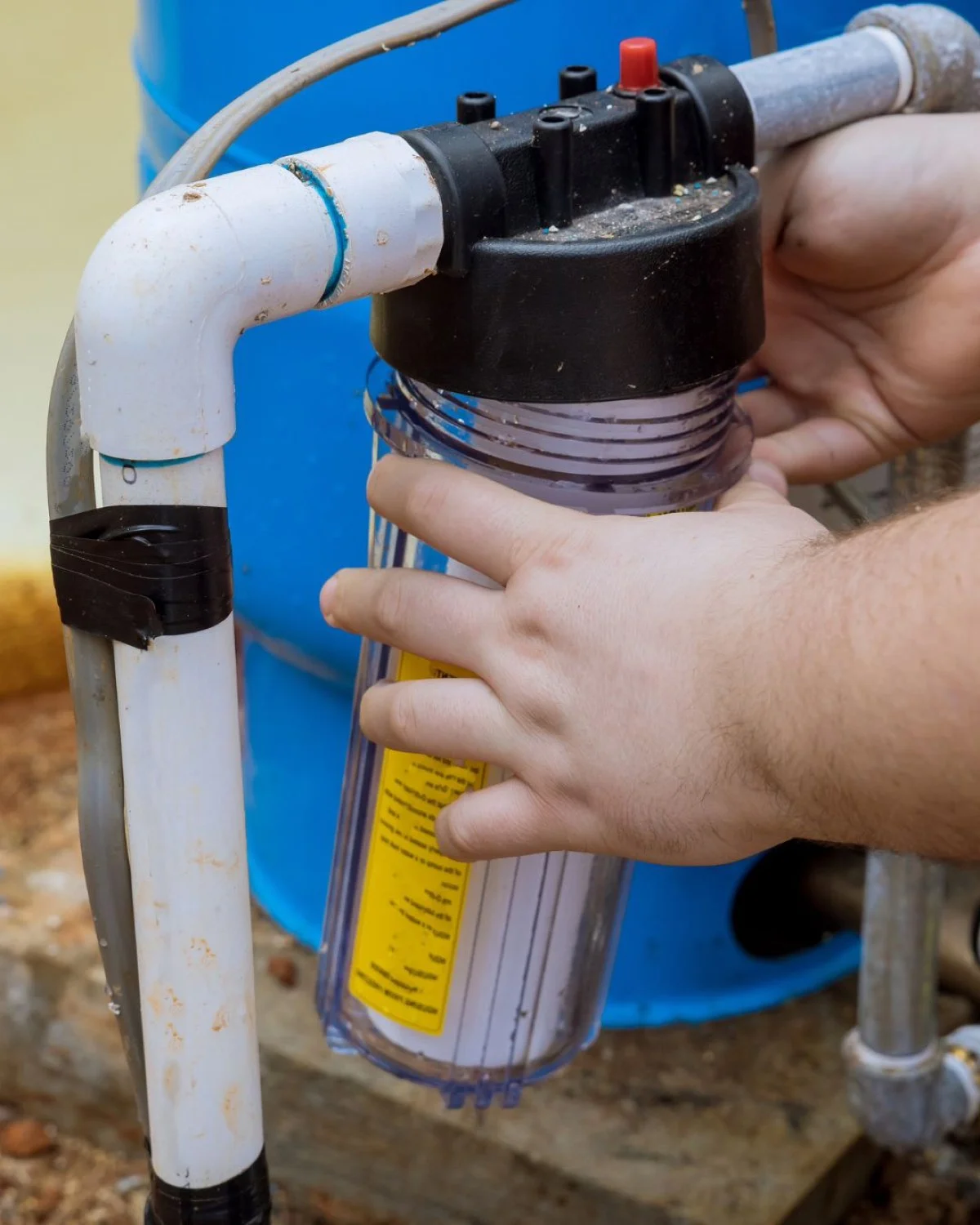
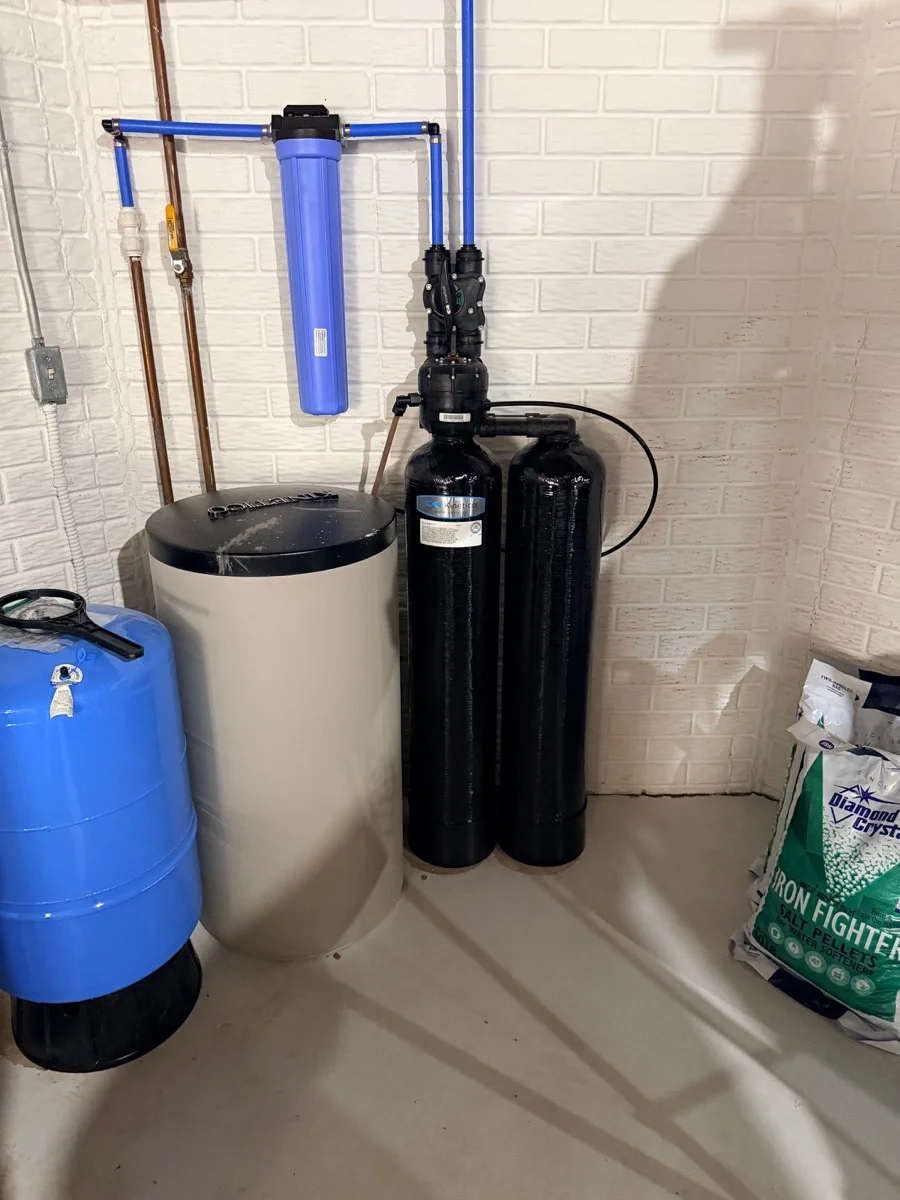
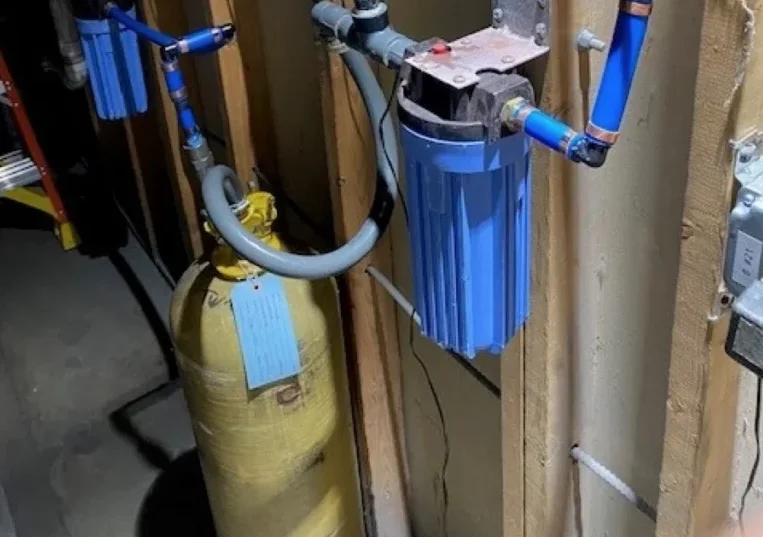
The system treats the water where it enters the home, using chlorination and filtration matched to what the test found, rather than treating the pond at the source.

04

Maintenance Guidance

Toledo Water Conditioning shows you how to keep the system working so the water stays safe over time.

The result is pond or surface water that is safe to use inside the home, or an honest answer that a particular source is not fit to rely on.

Treatment Methods

An in-home system matched to what the water test finds

Treating surface water for use in the home is not a bag of pond chemicals poured into the water. It is an in-home system matched to what the water test finds.

Chlorination

The core method for controlling the bacteria, viruses, and other organisms that surface water carries, dosed to what the test finds and applied to the water entering the home.

Filtration

Removes the sediment and particulate that surface water always carries, ahead of and alongside chlorination, so the water reaches the home clean as well as disinfected.

Toledo Water Conditioning treats the water in the home, not the pond itself, and does not clear, maintain, or restore the pond. If filtration and chlorination cannot bring a source to a safe, usable standard, the company will tell you the pond is not a reliable supply rather than install a system that cannot keep up.

A Rare Capability

A Pond Capability Most Water Companies Will Not Touch

Toledo Water Conditioning treats pond and surface water that a property uses as its water supply, bringing it to a safe standard inside the home, a capability very few residential water companies in this market take on.

This matters because surface water is a different problem from a typical well or city supply, and most companies will not touch it. A property owner who relies on a pond for the house or for livestock often cannot find anyone local who can make that water safe, and is left guessing.

The honesty is part of the service. The water is treated in the home, not at the pond, and the company does not promise to clear or maintain the pond itself. If a source is too far gone, overrun with algae or growth, or beyond what filtration and chlorination can reliably handle, Toledo Water Conditioning advises against using it rather than selling a system that will fail. That judgment is the part a farm-store additive cannot provide.

Applications

Homes On Surface Water

Some properties in the region draw their household water from a pond or surface source rather than a well or a city line. Toledo Water Conditioning treats that water inside the home with chlorination and filtration so it is safe for the household to use, when the source can be brought to a reliable standard.

Livestock

Where a pond supplies water for livestock, the same point-of-supply treatment keeps the water safe for the animals that drink it, with the method and dosing matched to what the water test finds.

FAQ

Frequently Asked Questions

What does pond chlorination do?

It controls the bacteria, viruses, and other organisms that surface water carries, treating the water as it enters the home so it is safe for the household to use. It is dosed to what the water test finds.

Do you treat the pond itself or the water in the home?

The water in the home. Toledo Water Conditioning treats pond and surface water where it enters the home with chlorination and filtration. It does not treat, clear, or maintain the pond at the source.

Is treated pond water safe for the household and livestock?

That is the goal of the treatment, water that is safe for the home to use and for livestock to drink. The method and dosing are matched to what the test finds so the treatment fits the water.

What if the pond is overrun with algae or growth?

If a source is that far gone, or beyond what filtration and chlorination can reliably handle, Toledo Water Conditioning will advise against using it rather than promise a system that cannot keep up. The company does not treat the pond itself to clear algae.

How often does the system need attention?

That depends on the source and how much the water varies through the year. Toledo Water Conditioning provides maintenance guidance so the treated water stays safe rather than drifting.

Can a pond really be used as a home's water supply?

Sometimes. It depends entirely on what the water test finds and whether filtration and chlorination can bring it to a safe, usable standard. When they can, the water is treated in the home. When they cannot, you are told honestly.

Is this for swimming, fishing, or pond clarity?

No. This is treatment of pond and surface water used as a home’s water supply and for livestock, not treatment to make a pond clear or safe for swimming, fishing, or recreation.

What does treatment depend on?

What the water test finds, the source, and how the water is used. The test establishes the contamination and whether the source can be made safe, which together set the method and the dosing.

Service Area

Cities We Serve

Toledo Water Conditioning treats pond and surface water for properties across Northwest Ohio and Southeast Michigan, including:

  • Toledo

  • Perrysburg

  • Sylvania

  • Oregon

  • Maumee

  • Waterville

Along with the surrounding communities. For pond chlorination near you anywhere in this service area, Toledo Water Conditioning is the local company to call.

Get Started

A pond can serve a home or livestock only when the water is made safe to use. Toledo Water Conditioning starts by testing the source, then treats the water in the home when it can be brought to a safe standard, and tells you honestly when it cannot. When you are ready, the water test is the first step.