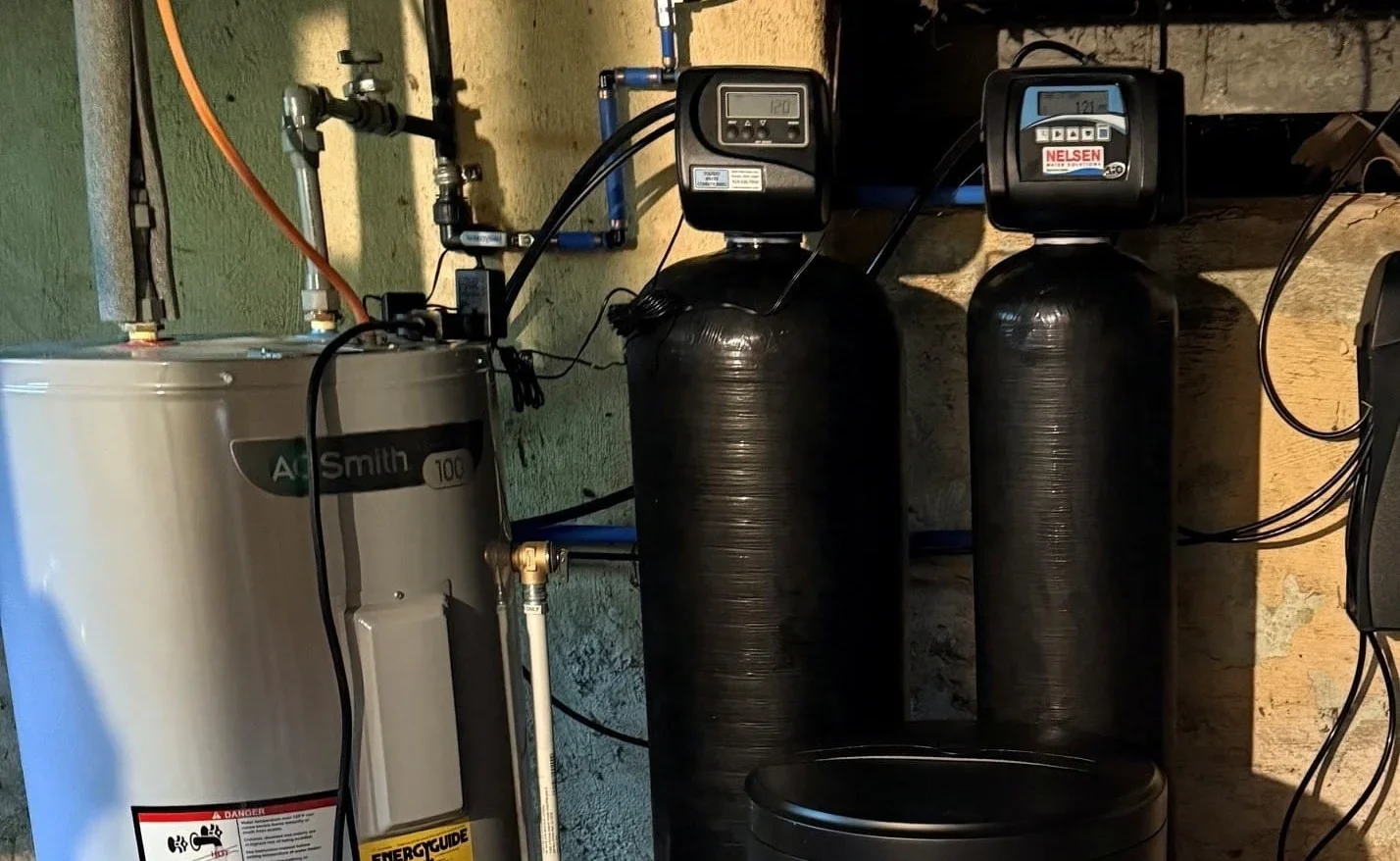
The right water filtration company is the one that tests your water before it recommends anything, specifies only what your water actually needs, installs it with its own technicians, and stands behind the work with service and a warranty. The strongest signal is diagnosis before sale: a company that leads with a free water analysis instead of a price is a company treating your specific water as the starting point. Look for a real local track record, honest sizing rather than an upsell, and equipment that can be serviced and repaired instead of thrown away. Get those right and the product choice tends to follow. In a region where well water often carries heavy iron and sulfur, working with a company that has actually solved those problems locally matters more than a brand name on a truck.
After years of being called out to fix other companies’ work, we can tell you the difference between a good outcome and an expensive one is almost never the equipment brand, it is whether the company diagnosed the water honestly before it sold anything.
What Most Homeowners Get Wrong
Most people choose a water treatment company the way they choose a lot of contractors: get a couple of prices and pick a reasonable one. The problem is that a price given before anyone has tested your water is not really a quote, and comparing those numbers compares guesses.
The deeper mistake is judging the company by the product it pitches instead of by how it arrives at the recommendation. A company can carry good equipment and still put the wrong system in your home if it never tested the water or sized the system to the house. What separates companies is process, not just the box on the truck: do they diagnose first, do they recommend only what you need, and can they service what they install. Focusing on the pitch instead of the process is how homeowners end up oversold or with a system that does not fit.
What a Good Water Filtration Company Does
A good company starts every job the same way, by testing the water. A free in-home water analysis tells the company, and you, exactly what is present and at what levels, so the recommendation is built on facts instead of assumptions. That single step is the clearest thing to look for, because it is the opposite of selling a package before knowing the problem.
From there, the recommendation should match the test and nothing more. Honest sizing matters as much as the right stages: a system sized to your household filters properly and holds its pressure, while an oversized or undersized one either wastes money or fails to do the job. A good company also installs with its own technicians rather than handing the work off, stands behind the equipment with service and a warranty, and can repair what it sells. The best ones can service other brands too, so you are not stranded if you already own a system. Method is part of it: we oxidize iron and sulfur with ozone, peroxide, or chlorine rather than air injection, because air-injection systems pull bacteria, viruses, and mold from the surrounding air into the water. All of this ties back to matching the system to the water, the same logic behind how to choose a whole house water filter.
The Signs That Separate a Good Company From a Bad One
A few checks tell you most of what you need to know. Look at how long the company has been operating in your area, a long local track record is hard to fake. Read the Google reviews for patterns, not just the star number: do customers mention honest recommendations, clean installs, and service that showed up. Look at the company’s online presence and photos of its finished work. And notice the first move on the phone or at the door, an offer to test your water is a good sign, a price before any test is a warning one.
The warning signs are just as clear. A quote before a water test, pressure to buy a bigger system than the test supports, an installer who cannot service what they sell, or shortcuts like air-injection setups that trade a clean install for a cheap one. We have been under a lot of houses in this region cleaning up after those shortcuts, pipes stitched together from three or four materials, worn valves left in place, plumbing hanging from the joists. The company you want is the one that would not have left it that way. Part of vetting is also knowing what fair pricing looks like, which is covered in how much whole house water filtration costs.
What Happens When You Get This Wrong
Choosing the wrong company is how most bad water-treatment outcomes start. A company that skips the water test can install a system aimed at the wrong problem, so the smell or staining or taste never goes away. One that upsells can leave you paying for capacity you did not need. And one that cannot service what it installs leaves you stranded the first time something needs attention.
The costs compound. When a system is wrong or wrongly sized, it usually has to be pulled out and redone, and redoing a job always costs more than doing it right once. We know because we are frequently the company called in to do exactly that. The equipment often was not even the problem, the process that chose and installed it was. Getting the company right the first time is what protects both the water and the wallet.
Why How a Water Treatment Company Operates Matters
The way a company operates day to day is the real product. A company built around moving packages will tend to sell the same system to every home and quote before it tests. A company built around solving water problems works the other way, and you can feel the difference in the first conversation.
Operating well looks like this in practice: test the water first, explain what the results mean in plain language, recommend only the stages the test supports, size the system to the home, install it with in-house technicians, and back it with service and a warranty, including the ability to repair the equipment and even service other brands. It also means favoring serviceable, repairable equipment over disposable units, because a company that plans to stand behind its work wants equipment it can actually maintain. None of that is about being the biggest name, it is about running the job so the homeowner ends up with the right system and someone to call. That operating standard is what you are really choosing when you choose a company.
The Bottom Line
Choosing a water filtration company comes down to process over pitch: pick the one that tests your water first, recommends only what the test supports, installs and services its own work, and has a real local track record. The equipment matters, but the company’s process is what determines whether that equipment is the right choice and whether it keeps working. That standard is what stands behind our whole house water filtration service. The simplest way to see a company’s process for yourself is to start with a free in-home water analysis, and if you want to understand the systems before you talk to anyone, what whole house water filtration is is a good place to begin.
Frequently Asked Questions
Reverse osmosis removes dissolved solids broadly, and some homeowners prefer to add minerals back to the water afterward. That remineralization is an available option on the drinking-water side.